Friday, February 7, 2014

The Big Picture: Short Chain Fatty Acid dehydrogenase, Metformin, Pancreatic Beta cells, NADPH, riboflavin and thyroid.


So how does Metformin work?  Metformin raises the AMPK which RAISES insulin.  Here it states that the CBP (CREB binding protein) which tells the Pancreatic beta cells to release insulin. 
To test their hypothesis, researchers induced insulin resistance in mice by feeding them a high-fat diet over several months. Mice on high-fat diets developed insulin resistance, and their high blood glucose levels did not drop to normal after eating. Once treated with metformin, however, CBP was activated to the levels of nondiabetic mice, and their blood glucose levels returned to normal. However, when given to diabetic mice with defective copies of CBP, metformin had no effect on blood glucose levels, a proof that metformin works through CBP.
Researchers further were able to determine that metformin worked on one particular section of CBP by studying the drug's effects in mice with normal CBP and in mice missing this section of their CBP. The mice with normal CBP responded to metformin with a drop in their fasting blood glucose -- much like diabetes patients do -- while the mice missing that section in their CBP had no decrease in their blood sugar.
Because CBP is involved in growth and development and a variety of metabolic processes in other organs, this newly discovered pathway may hold therapeutic promise for conditions like growth retardation, cancer and infertility, investigators say.
Another important finding in the study: investigators have discovered a biomarker that can predict how well a person will respond to treatment with metformin and help doctors determine the optimal therapeutic dose, which can vary widely from person to person. The Hopkins team has found that in mice, metformin changes CBP in white bloods cells -- just as it does in liver cells -- creating a molecular marker that is easily measured via a standard blood test.

http://diabetes.diabetesjournals.org/content/55/11/3193.full
 Backtrack a little bit.  The researchers said that cAMP from glucagon slows down the metabolism.  This is not entirely true until you actually read through the cascade of events.  Glucagon releases cAMP that tells the body that it's in a negative energy balance and to hydrolyze the triglycerides to release energy from the fat/adipose stores for fuel.

cAMP triggers PKA which triggers CREB that actually tells the body to slow down metabolism.

So all Metformin is really doing is slowing down metabolism to trigger insulin spikes.

Since PCOS is affiliated with insulin (because it is caused by TOO MUCH INSULIN)- we have to reevaluate type 2 diabetes to see where PCOS comes in.

The Pancreatic alpha cells release glucagon. The body needs ZINC in order for this to happen.

The Pancreatic Beta cells not only release insulin, it releases other things like HADHSC which encodes the RIBOFLAVIN based short chained fatty acid dehydrogenase.  Which literally breaks down short chained fatty acids.

Backtrack a little more, short chained fatty acids increase the MCT that tells the pancreatic Beta cells to release insulin.   If you didn't already know, many babies in the US are born with disorders of fatty
acid metabolism and come down with very severe bouts of hypoglycemia.  They have long chain, mid chain and short chain fatty acid dehydrogenase.  This can be triggered or amplified with very weak thyroid activity and a lack of riboflavin.   IT can also be affected by inflammation which is what I'm thinking. 

TGF-b1 blocks TSH.  Leptin releases B-Cells from the lymphnodes? 
Speaking of leptin, the mesenchymal stem cells need leptin to tell it to make stuff other than adipose tissue.  This is where C/EBP and CBP slows down the metabolism.  Which makes it easy to gain weight because it triggers too much insulin.

By the way, FAT OXIDATION IS BLOCKED BY INSULIN!!!  INSULIN BLOCKS THE HYDROLYSIS OF TRIGLYCERIDES TO RELEASE ENERGY.  

INSULIN BLOCKS FAT LOSS.

Pyruvate can upregulate MCT1 to tell Pancreatic Beta cells to release insulin too. 

The thymus T-cells have insulin receptors! 
Gnrh increases t-cells and that triggers more insulin which results in higher FSH/LH which results in ... um... cysts on those ovaries.

Back to adults now.  The "experts" assume that all people in the world are type 2 diabetics and in need of insulin instead of tackling inflammation, weak thyroid, hyperinsulinemia/hypoglycemia/weight gain.

This is a very dangerous assumption because the human body need a balance set of signals to straighten itself out.  Anything that messes up the balance the body creates for itself is infact dangerous. http://diabetes.diabetesjournals.org/content/55/11/3193.full
 
 If you've seen pictures of starving babies in Ethiopia, they are very skinny with swollen bellies.  They're the kwashikor babies.  The bellies are swollen from some inflammatory response to starvation.  Their bodies can no longer metabolize the short chained fatty acids because their weak thyroid disables riboflavin to be converted into the necessary enzymes that create short chained fatty acid dehydrogenase.  These short chained fatty acids, including the overhyped butyrate, acetate, etc.
WILL RELEASE INSULIN.  :)  Which increases ornathine, without thyroid activity the ornathine dehydrogenase cannot be formed so we get arginine and lots of nitric oxide.

Who else has really slow metabolism and a lot of nitric oxide?

Women with PCOS!
 
The dumb idiot shills are screaming that we should throw Omega 3's at them.  Without a healthy thyroid response, how are their bodies going to manage the probiotics and SCFA's in the first place?

Others say "protein".  Which protein?  Tyrosine?  Proline?  Proline is already bioavailable.
Leucine increases weight and blood cholesterol if you are already hypoglycemic/hyperinsulinemic because leucine triggers..........  ... insulin spikes!

These incomplete story telling vague blanket statement "scientists" say that short chain and mid chained fatty acids are better for you than long chained fatty acids.  They don't include the fact that leptin is the source of the mid chained fatty acid dehydrogenases or else that mid chained fatty acids combine with Acyl Coa to create GHRELIN. You  know, that hunger peptide with all too real psychological effects. CART and NPY-y5R (the peptides affiliated with cocaine addiction) are upregulated with ghrelin.


Guess who has a BIOAVAILABLE level of mid chained fatty acids?  ANOREXICS!   Anorexics dont' eat coconut oils.  AS a matter of fact, they don't eat anything at all!   Thats' why they're anorexics.
Bulemia is triggered by ghrelin.  This is the sticky wicket with eating disorders. 

Also, healthy thyroid/riboflavin levels are required for the HADHSC to create short chained fatty acid dehydrogenase. http://link.springer.com/article/10.1007%2FBF01800662#page-1

If not, you get lots and lots of insulin response to glucose/fat intake.  Yes FATS INCREASE INSULIN BY RELEASING GLP-1.

NOW.

Add Gnrh from Kraft dairy products to your system and you have xeno-estrogens and other steroids that activate the T-cells and trigger high insulin levels. High fasting insulin levels.

Think of what the nitric oxide is doing.  Increasing more harmful metabolic perameters that are not necessary anti-inflammatory.  SREBP-1.  HIGH CHOLESTEROL.

Plasma membrane cholesterol accumulation has been implicated in cellular insulin resistance. Given the role of the hexosamine biosynthesis pathway (HBP) as a sensor of nutrient excess, coupled to its involvement in the development of insulin resistance, we delineated whether excess glucose flux through this pathway provokes a cholesterolgenic response induced by hyperinsulinemia.
Exposing 3T3-L1 adipocytes to physiologically relevant doses of HYPERINSULINEMIA (250pM-5000pM) induced a dose-dependent gain in the mRNA/protein levels of 3-hydroxy-3-methyl-glutaryl-coenzyme A reductase (HMGR). These elevations were associated with elevated plasma membrane cholesterol.
Mechanistically, hyperinsulinemia increased glucose flux through the HBP and O-linked β-N-acetylglucosamine (O-GlcNAc) modification of specificity protein 1 (Sp1), known to activate cholesterolgenic gene products such as the sterol response element-binding protein (SREBP1) and HMGR. Chromatin immunoprecipitation demonstrated that increased O-GlcNAc modification of Sp1 resulted in a higher binding affinity of Sp1 to the promoter regions of SREBP1 and HMGR. 
Luciferase assays confirmed that HMGR promoter activity was elevated under these conditions and that inhibition of the HBP with 6-diazo-5-oxo-l-norleucine (DON) prevented hyperinsulinemia-induced activation of the HMGR promoter. 
In addition, both DON and the Sp1 DNA-binding inhibitor mithramycin prevented the hyperinsulinemia-induced increases in HMGR mRNA/protein and plasma membrane cholesterol. In these mithramycin-treated cells, both cortical filamentous actin structure and insulin-stimulated glucose transport were restored. Together, these data suggest a novel mechanism whereby increased HBP activity increases Sp1 transcriptional activation of a cholesterolgenic program, thereby elevating plasma membrane cholesterol and compromising cytoskeletal structure essential for insulin action.http://www.ncbi.nlm.nih.gov/pubmed/23315940
Vitamin B3 is NADPH, which is required as a lipid raft for iodotyrosine deiodinase that breaks down thyroid T3 and T4 in the liver to complete the thyroid feedback loop.  If there's' too much t3, the thyroid will not release any more which can slow down your metabolism. 

Thiols convert T4 to T3.
http://www.biochemj.org/bj/157/bj1570479.htm


"Plasma iodide is partly replenished by that lost from the thyroid into the blood and by iodide liberated through deiodination of iodothyronines in peripheral tissues"https://www.inkling.com/read/williams-textbook-of-endocrinology-melmed-polonsky-larsen-kronenberg-12th/chapter-11/iodine-and-the-synthesis-and

Iron and copper are good for the thyroid as is iodine, selenium, zinc and tyrosine.
http://perfecthealthdiet.com/2010/12/micronutrient-deficiencies-an-underappreciated-cause-of-hypothyroidism/

What is overlooked is the PHOSPHATE part of the equation.

ATP (Adenosine Tri-Phosphate) is the energy currency in all living creatures.
ADP (Adenosine Di-Phosphate) is the "engine"?  This is Adenosine Tri-phosphate minus a phosphate.

IGF-1 is upregulated with ADP which leads to platelet aggrigation and proliferation.  Many inflammatory markers trigger apoptsis.  Apoptsis slows down metabolism, this we need to be careful about since the science should only be using apoptsis to correct problems since metabolism is supposed to keep everything else in check.

AMP (Adenosine Mono-Phosphate) happens during energy metabolism and it's used to tell the body that it's in a negative energy balance.  cAMP from glucagon stores tells the body to release energy from adipose tissues.  MAPK releases muscarenic receptors from acetylcholine that tells the body to release bile salts to block the brush border membrane that blocks the binding of adenosine A1 receptor to adenosine which upregulates leptin and calcitonin (it competes with cAMP? I'm not sure about which part of the cascade it interrupts).  It could possibly explain why the body doesn't absorb necessary B vitamins required for a healthy metabolism.  AMPK releases insulin.   AMPK competes with xanthine dehydrogenase which upregulates leptin, leptin which increases thyroid activity.

In a nutshell, this picture shows how glucose metabolism works and the enzymes involved featuring ATP and ADP.  Citrate is a product of ornathine and arginine.  Pyruvate upregulates Malonyl CoA that blocks Carnitine PalmitoylTransferase 1 (cpt1) that pulls long chained fatty acids into the mitochondria to be oxidized for fuel.  Carnitine PalmitoylTransferase 2 (cpt2) pulls the long chained fatty acid into the cell for oxidation, it's blocked by odd chained fatty acids and when this happens the person gets a bad case of rhabdo.  But anyways, Carnitine is created from lysine and methionine at the request from the thyroid (t3).


http://www.bio.miami.edu/tom/courses/bil255/bil255goods/07_glycolysis.html


When Malonyl Coa blocks CPT-1 induced beta oxidation of fat cells, your body goes into some kind of anaerobic metabolism and releases lactate.  It releases carbon dioxide when it's in aerobic metabolism because carbon binds the fat cells together.

But anyways, you see how insulin is released during glucose metabolism and how you get pyruvate from this.  MCT-1 transporters turn and keep the pancreatic beta cells releasing insulin which blocks hydrolysis of triglycerides to use fat as fuel.   So if you're trying to lose weight, this is a road block you have to get past but this elaborates on how insulin works to store ATP. 

Increased ATP/ADP ratio triggers insulin response. 
Adiponectin/Leptin ratio increases insulin response.  (AMPK increases adiponectin)
Acetylacetone/Beta-hydroxybutyrate increases insulin response. 

Increased ATP/ADP in the cytosol is correlated with increased thyroid activity (T3) The NADPH plays a part in this since likes to sit in the cortisol. 

Decreased ADP/O = a drop in thyroid activity because during a negative energy balance, the ADP loses one phosphate and becomes AMP.


Studies show that phosphate supplementation prevents a drop in thyroid levels when women were dieting.  http://www.drdebe.com/articles/reviving-your-thyroid

During periods of phosphate supplementation, the resting metabolic rate (RMR) increased by approx. 12% (p < 0.05) in group 1 and 19% (p < 0.05) in group 2. Phosphate supplementation ameliorated also a decrease in plasma triiodothyronine level and a decrease in thyroxine to triiodothyronine ratio. There were no differences between groups in the plasma insulin, catecholamine, growth hormone, cortisol and testosterone levels. Phosphate supplementation did not affect plasma lipids or blood glucose concentration. It is concluded that phosphate supplementation in obese patients on a low-energy diet enhances RMR irrespectively of the rate of weight loss. This effect seems to be, at least partly, due to an influence of phosphates on peripheral metabolism of thyroid hormones.http://www.ncbi.nlm.nih.gov/pubmed/8807564

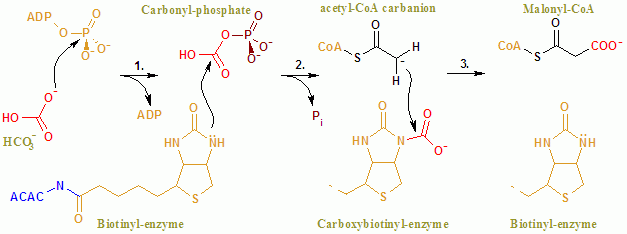
NADPH is a reducing agent.  It's blocked by Acetyl Coa Carboxylase (ACC) and appears to be perfectly proportional to good metabolism. NADPH loses that one phosphate to bind with something else.

Again, Vitamin B3 or Niacin is NADPH.

And to conclude, you can easily see a direct correlation between parathyroid and thyroid activity.
The feedback look is really fascinating.  Leptin is directly proportional to calcitonin release (from Adenosine A1 Receptors in the brush border membrane).  Calcitonin is released from the Parafollicular C cells from the thyroid to reduce the levels of Calcium.  The Calcium receptor Ca2+ calmodulin dependant kinaise beta increases AMPK. 

Calcitonin is converted to bioavailable Vitamin D which results in IGF-1 which blocks acetyl coa carboxylase (ACC).

ACC increases malonyl Coa and increases ATP/fat storage.

http://en.wikipedia.org/wiki/Acetyl-CoA_carboxylase


So in a nutshell, you could say that IGF-1 blocks fat storage.

Now notice the positive correlation between thyroid secretion of calcitonin from the C-cells and thyroxin.

Here's how the calcium feedback loop works.  If the Parathyroid gets the message that the blood calcium is low, it will release calcium in the blood and tell the thyroid not to release the calcitonin.
Sometimes the parathyroid gets the message to release Calcium at a seriously high level and a very high parathyroid hormone level in the system is an indicator of either cancer or metabolic troubles.  People who work out too hard, ie. Cross Fit?  Get rhabdo which is caused by high PTH levels. 

I get rhabdo.

Even without rhabdo, a heightened release of calcium comes from the bones and will cause osteoporosis.

So taking Calcium supplements prevents a fall in calcium levels read by the Ca2+ Calmodulin dependant Kinase beta so it will release Calcitonin.

Calcium is affiliated with inflammation when it's released by the metabolism of glucose. 
Calcium is a key signal for naive T-cells in the thymus (which can result in an increase in insulin).
http://www.ncbi.nlm.nih.gov/pubmed/11244045

Then guess what happens?  The T-cells release NITRIC OXIDE that BLOCKS Th17 cells.

T cell–derived inducible nitric oxide synthase switches off Th17 cell differentiation.

http://www.ncbi.nlm.nih.gov/pubmed/23797094 

Th17 comes from IL-17 which comes from CD4+ which is upregulated by our metabolism and thyroid stimulator LEPTIN. Th17 is a T-cell.  Leptin triggers the release of B-cells.http://www.immunityageing.com/content/10/1/3
http://sciencescape.org/paper/23199324#301
Leptin is upregulated with adipose tissue.  It's not always correlated with obesity and sometimes obesity is caused by leptin resistance or a low level of leptin. 

C/EBP blocks leptin's signal to mesenchymal stem cells and tells it to create fat cells instead of cartilage, muscle, bone or hemoglobin.  CBP is the C/EBP binding protein.   TGF-beta 1 is a t-cell that tells the thymus to lower T-cell production.  TGF beta 1 blocks leptin.

 Now you get the gist.  Everything is connected and now you know why it's very important to eat your antioxidants.


AND THE BEAT GOES ON...


Friday, April 27, 2012

ovarian cysts=inflammation+excess androgens. PCOS symptoms caused by TOO LITTLE ANDROGENS. Hirutism = too much estrogen. In men too.


Here's a random thought on PCOS.  It's sooo very important to do things naturally because yeah, doctors are wrong!  

My mother's menopause is evidence of this as well.  Sorry if this gets lengthy, everything is in the details!

PCOS is an immune disorder... too much estrogen + inflammation.
http://www.ovarian-cysts-pcos.com/news81.html
http://jcem.endojournals.org/content/90/5/3069.full
http://www.ncbi.nlm.nih.gov/pubmed/19399944
http://www.rxlist.com/script/main/art.asp?articlekey=148372

PCOS is not synonymous with hirutism or male characteristics, although hirutism and male characteristics are possible symptoms of PCOS because of a heightened level of androgens.  As a matter of fact, less than half of women wiht PCOS are gay, but almost all gay women have some form of PCOS and inflammation- so yes they get my support (I'm straight) because I know they're dealing with physical pain that nobody deserves.  :o)

The gay community has the key to it all!   Gay women AND transexuals!!!

We're not here to judge, but to beat this b*tch called PCOS!

Anywho... I'm not a doctor.  I studied finance, not immune-bio-chemistry.  

All I know is that the doctors tried to throw birth control pills at me (which causes migraines in me) and metformin (my glucose was 86?).  And that they're WRONG!
And We have to get better regardless.

But here's what I found out.   I had to look at transexuals, menopausal women and androgens because the medical community isn't straight forward about hits.


ON TOO MUCH ESTROGEN:
Transexual men take estrogen supplements to go through a gender change.
http://www.susans.org/reference/hormones/estherap.html
We are prescribed birth control for PCOS!
http://www.health.com/health/condition-article/0,,20326842,00.html

HRT for transexuals and birth control pills, both says that too much estrogen causes:
-mood changes
-weight gain
-less ability for liver metabolism (prescriptions, alcohol)
-MIGRAINES (body requires Vitamin B to metabolize estrogen
-risk of blood clot/stroke (not lower cholesterol)

The menopausal doctors blame the decrease in estrogen to weight gain and increase in cholesterol for women.  I digress!  And this IS personal because my mother's triglycerides spiked during menopause and as a result was stricken with angina.  She was in a lot of danger... and the doctors MESSED UP.  She's fine, but this was very difficult for her!

**************
BUT GUESS WHAT CAUSES A SPIKE IN BAD CHOLESTEROL LEVELS, WEIGHT GAIN AND DIABETES (metabolic x syndrome)?

-A DECREASE IN ANDROGENS!!!
(The very same thing that causes bad cholesterol levels and diabetes in men!)

Our levels of androgens have gone down since our 20's.   Just like men's do.

Our ovaries and adrenals create Oestrogens from testosterone/androgens.    The doctors didn't differentiate this.  So the doctors could have been giving women estrogen to lower cholesterol levels and it didn't work.  Women are supposed to have LESS heart diseases than men.  Not any more.

*******************
So what's the deal with women who have hair on their faces?  (hirutism)
NOW.  When men get older, they grow excessive hair and unwanted hairs on their bodies.  ALSO, men's testosterone levels DECREASE after the age of 20 when they go bald, gain weight and grow excessive hairs.  But their estrogen levels go up?

DHT has been cited as a cause of baldness?  It's created in the male glands and the adrenal gland.  If women get it, it's created in the adrenals.  WHich creates cortisol, aldosterone and androgens.

Women with hirutism often have issues with inflammation (see aldosterone) which means they have an issue with their adrenal glands.
http://www.ncbi.nlm.nih.gov/pubmed/20422780
(Hi I know I'm being a captain obvious here but this might explain WHY anti-adrenals didn't work for hirutism).

Men don't get any extra hair or inflammation from hyperandrogenism!
http://www.uptodate.com/contents/adrenal-hyperandrogenism

But they do get more estrogen in their system when they get older.

So what increases androgen levels?  DHEA?  (they're trying to take that off the market) and Zinc.  

So... until the doctors untangle this hairy hormone episode... and we know it's confusing!
http://www.keratin.com/az/androgenestrogenmetabolism1.gif

So why are they prescribing ketoconazole for hirutism?  Why are they prescribing birth control pills when women already have too much estrogen?

THE DOCTORS KNOW THAT HIRUTISM IS CAUSED BY CONGENITAL ADRENA HYPERPLASIA.

"adrenocorticotropic hormone (ACTH). In Congenital Adrenal Hyperplasia (CAH), a key enzyme is missing from the body. The absence of this hormone prevents proper synthesis of aldosterone and cortisol. Production of androgens are altered as well, leading to increased masculinization in female patients. "
http://pcos.about.com/od/normalmenstrualcycle/a/cah.htm

YES!  IT'S ANOTHER DEFICIENCY!! not the result of behavior.   You're not too stressed out, you're not eating too much.
http://en.wikipedia.org/wiki/Cushing%27s_Syndrome

AGAIN, LOOK OUT FOR EXCESSIVE ESTROGENS!
"Pseudo-cushing's syndrome
Elevated levels of total cortisol can also be due to estrogen found in oral contraceptive pills that contain a mixture of estrogen and progesterone, leading to Pseudo-Cushing's syndrome. Estrogen can cause an increase of cortisol-binding globulin and thereby cause the total cortisol level to be elevated."
http://en.wikipedia.org/wiki/Cushing%27s_Syndrome
(EVEN IF THEY ARE NOT THE SAME, PCOS IS CAUSED BY TOO MUCH ESTROGEN AND SO IS PSEUDO-CUSHINGS' SYNDROME)

So.  It's ironic in society when the doctors are questionable and a more objective review of hormone imbalance can be cited by TRANSGENDERS and men on HRT than whatever the oral contraceptive people are telling women with PCOS and whatever they're prescribing for menopausal women.

So I could hug a transgender man/woman for saving women from heart disease.  I could also hug a lesbian.  Not because they're hot-NO.  I don't even swing that way.  The one PA who first treated my recent episode of PCOS is gay, she threw birth control pills/metformin at me and charged me an excessive $600 for an ultrasound-catty bitch.
I would give her a hug knowing that she probably suffers from pain due to inflammation that I'm sure she is suffering from pain of her own.

Thursday, August 18, 2011

AUTOIMMUNE OOPHORITIS-DIRECT CONNECTION BETWEEN PCOS AND OVARIAN CANCER

THE SICK CULT OF METFORMIN NEEDS TO GET OUT OF THE WAY AND ALLOW PEOPLE TO FIND A CURE FOR PCOS.

This is an epidemic. There are too many women running around with a disease we never asked for which is putting our lives and the baby's life at risk.

THIS IS A LIFE AND DEATH ISSUE.

It's dangerous to the unborn baby; most women cannot conceive with PCOS and the cases of MISCARRIAGES is rather high.

If that's not concern enough for Big Pharma...

There are so many connections between PCOS and CANCER. There are connections between PCOS and BREAST CANCER, theres' a connection between PCOS and OVARIAN CANCER.

DON'T SAY PCOS-sarcasm. PCOS IS AN IMMUNE RELATED DISORDER, NOT CAUSED BY INSULIN RESISTANCE.

"But if ovarian cancer does prove to have an AUTOIMMUNE component, Luborsky says it could one day be possible to give a woman at risk a drug that could REDUCE HER RISK OF OVARIAN CANCER BY TURNING OFF THE IMMUNE ATTACK."


"AUTOIMMUNE OOPHORESIS is known to cause infertility, and researchers think it may also lead to some cases of ovarian cancer, though it's not clear how.

"PREVIOUS CASE REPORTS HAVE DEMONSTRATED OVARIES WITH MULTIPLE CYSTS IN PATIENTS WITH AUTOIMMUNE OOPHORITIS."

"That's the 64 million dollar question," says study researcher Judith L. Luborsky, PhD, professor of pharmacology, obstetrics and gynecology and preventive medicine at Rush University Medical Center in Chicago."

-NO KIDDING. FOLLOW THE HIPPOCRATIC OATH AND THE MEDICAL CODE OF ETHICS AND GET RID OF YOUR CONFLICTS OF INTEREST AND LET THE IMMUNE DRUGS ON THE MARKET. METFORMIN WILL LIVE.

"The question we don't have an answer to is what role the immune system actually plays in the initiation [of cancer]," she tells WebMD.

While the idea is interesting, experts who were not involved in the research say the study only looked at one moment in time, so it's tough to draw conclusions about what elevated antibody levels may mean and it doesn't prove that elevated antibodies cause cancer."
http://www.rxlist.com/script/main/art.asp?articlekey=148372


-BULLSH*T. THYMUS GLAND=T-CELLS=IMMUNE SYSTEM.
THERE'S A DIRECT CONNECTION
""A study of female mice is suggesting that ovarian cysts may at least partially be the result of an immune system dysfunction. The gland involved is the thymus gland, which is responsible for the management of major aspects of your immune system. One of the functions of the thymus gland is to produce T-cells, which are white blood cells that help protect you from infection and also perform other important activities.
The researchers reported that ovarian cysts in the female mice did not develop unless there was an absence of regulatory T-cells."
http://www.ovarian-cysts-pcos.com/news81.html


-I SUCK AT MOLECULAR AND CELLULAR BIO-CHEMISTRY. AND I CAN STILL FIGURE THAT MUCH OUT. WHY DOES BIG PHARMA INSIST ON PULLING THE WOOL OVER OUR EYES?

They just called Autoimmune oophoritis a "rare occurance" yet PCOS is so common.
Autoimmune Oophoritis / Premature Ovarian Failure

Autoimmune Oophoritis is an autoimmune of the ovaries that can cause premature ovarian failure in women still in their childbearing years. It can strike at any age between 15 and 39 years, and the initial symptoms might include irregular, heavier periods that are more painful, reduced sex drive, vaginal discharge, pain when having sex, mood swings and insomnia. The low estrogen levels can also cause other complications such as osteoporosis, anxiety and depression (from the lower estrogen and possibly at the thought of infertility in young women).

The attack on the ovaries results in the destruction, wasting away (atrophy) and scarring of the ovarie, which reduces the production of the female hormones required to release eggs from the ovaries. Autoimmune Oophoritis can be a primary condition, or secondary to other autoimmune conditions such as Thyroiditis, Addison's Disease, Hypothyroidism, Diabetes, Myasthenia Gravis, Vitiligo and Pernicious Anemia. It is also commonly found in combination with inflammation of the fallopian tubes (Salpingitis). There is no cure, but it is treatable.

Symptoms:

Absence of period
Changes in mood
Difficulty falling asleep
Difficulty staying asleep
Heavy, long periods
Hot flashes
Infertility
Insomnia
Irregular periods
Low sex drive
Night sweats
Pain when having sex
Severe menstrual cramps
Vaginal discharge

Diagnosis:

Diagnosis is usually based on the menstruation history combined with an elevated Follicle Stimulating Hormone (FSH) blood test.


Treatment:

The only treatment available is hormone replacement therapy, usually containing both estrogen and progestin hormones.

Prognosis:

With effective hormone replacement therapy, it is possible to to restore the hormone balance and return to a normal menstrual cycle. Untreated, Autoimmune Oophoritis will cause premature ovarian failure and eventually infertility.

http://www.iwannagetwell.com/Autoimmune-Oophoritis-Premature-Ovarian-Failure.php


Monday, July 4, 2011

Study of thymus glands and estrogen as PCOS cause-PCOS is an immune disorder

Abstract

The aim of the present study was to investigate whether dietary advanced glycation end-products (AGEs) can be detected in the ovarian tissue of normal female rats and whether they can affect their metabolic or hormonal profile. Sixty normal rats (20 animals in each group) were randomly assigned to regular diet, either high (H-AGE) or low (L-AGE) in AGE content for 6 months. H-AGE rats demonstrated higher levels of fasting glucose (P < 0.001), insulin (P < 0.069), and serum AGEs (P < 0.001) than control and L-AGE rats. Additionally, the H-AGE group showed increased AGE localization in the theca interna cells of the ovarian tissue compared to control/L-AGE rats (P = 0.003). Furthermore, increased receptor for AGE (RAGE) staining was also observed in granulosa cells compared to control/L-AGE samples (P = 0.038). In the H-AGE group, plasma testosterone was higher than in control rats (P < 0.001) and in the L-AGE group (P < 0.001). However, H-AGE rats did not exhibit higher body weight compared with normal (P = 0.118) and L-AGE-fed rats (P = 0.35). These results demonstrate for the first time that administration of high AGE diet in female rats for a prolonged period is associated with increased deposition of AGEs in the theca cells and of RAGE in the granulosa and theca interna cells of the ovarian tissue compared with the corresponding ovarian compartments of the control and L-AGE-fed animals. The metabolic alterations in conjuction with the increased deposition in ovarian tissues of dietary glycotoxins and elevated levels of testosterone in H-AGE-fed animals compared to the controls suggest an impact of environmental factors on ovarian tissue and these findings need further exploration.


http://www.springerlink.com/content/g872k677v1114520/


First of all, we clearly see that PCOS is an autoimmune disease.

Before we go on any further, I need to go on a tangent. THIS STUDY WAS DONE IN ATHENS GREECE.

Greece is under attack by Wall Street through the use of Interest rate swaps and Credit default swaps. (My background isn't in medicine, it's in finance).

As we can clearly see here, Greece's bonds are way undervalued. This is incredibly sophisticated research, one that the researchers were free to conduct because they seemed to lack a conflict of interest between Big Pharma and doctors of medicine.

It was the Greeks who came up with the Hippocratic Oath.
The Modern Version:
I swear to fulfill, to the best of my ability and judgment, this covenant:

I will respect the hard-won scientific gains of those physicians in whose steps I walk, and gladly share such knowledge as is mine with those who are to follow.

I will apply, for the benefit of the sick, all measures [that] are required, avoiding those twin traps of overtreatment and therapeutic nihilism.

I will remember that there is art to medicine as well as science, and that warmth, sympathy, and understanding may outweigh the surgeon's knife or the chemist's drug.

I will not be ashamed to say "I know not," nor will I fail to call in my colleagues when the skills of another are needed for a patient's recovery.

I will respect the privacy of my patients, for their problems are not disclosed to me that the world may know. Most especially must I tread with care in matters of life and death. If it is given to me to save a life, all thanks. But it may also be within my power to take a life; this awesome responsibility must be faced with great humbleness and awareness of my own frailty. Above all, I must not play at God.

I will remember that I do not treat a fever chart, a cancerous growth, but a sick human being, whose illness may affect the person's family and economic stability. My responsibility includes these related problems, if I am to care adequately for the sick.

I will prevent disease whenever I can, for prevention is preferable to cure.

I will remember that I remain a member of society, with special obligations to all my fellow human beings, those sound of mind and body as well as the infirm.

If I do not violate this oath, may I enjoy life and art, respected while I live and remembered with affection thereafter. May I always act so as to preserve the finest traditions of my calling and may I long experience the joy of healing those who seek my help.


Dioscorides was Greek.
Dioscorides wrote a five-volume book in his native Greek, Περὶ ὕλης ἰατρικής, known in English by its Latin title De Materia Medica ("Regarding Medical Materials") that is a "precursor to all modern pharmacopeias"."

Apparently the grounds to develop mathematical, medical and scientific achievements, cures, etc. were only possible under a democratic reign. Greece was the inspiration to the Romans who adopted their culture in a Republic, and we adopted many of Greeces' concepts to build the modern world in the U.S.


Pray for Greece. Wall Street is attacking it with subprime derivatives to get their assets for cheap, I feel that I owe Greece a world of thanks for a genuine understanding of this horrible problem and hopefully a cure for it. Remember, money is just a bartering tool. Money can't cure people, doctors, God and you can.


This study was done in NY?

"An examination of the literature indicates a strong likelihood
of thymus involvement in estrogen and/or testosterone-
induced anovulation in other animal species. For
example, Kincl et al. [24,25] reported that anovulation in
E2- and T-injected female rats could be prevented by thymocyte
infusion. Notably, only thymocytes from adult
donors were effective. Thymocytes from 5-day-old animals
did not prevent anovulation. In primates the thymus
undergoes its final development prenatally [7]. Steroid
action would thus occur in utero. This could explain why
injections of testosterone propionate (TP) given to pregnant
rhesus monkeys on gestational day's 40–55, produces
anovulatory female offspring [26,27]. The female
offspring have enlarged ovaries with multiple small follicles;
an elevated LH/FSH ratio; and, high levels of serum
17αOH-progesterone and testosterone.
Additional evidence of steroid influence in utero is
detailed in reports of the consequences of using DES in
pregnant women [28-35]. Prescribed from the 1940s until
1971, DES was banned by the FDA due to the large
number of reproductive problems in daughters exposed in
utero. Problems included an increased rate of primary
infertility, oligomenhorrhea, amenorrhea, high levels of
androstenedione and testosterone, facial hirsutism, and
an elevated LH/FSH ratio. These symptoms are all associated
with the formation of cysts [36,37]. Notably, exposure
to DES on gestational weeks 9 through 12 produced
the highest rate of infertility [35]. This timeframe is coincident
with the final developmental stages of the thymus
[7].
The identity of the self-antigen(s) that CD8+
Autoreactive T
cells regard as nonself, is at present, a matter for conjecture.
MECs synthesize approximately 300 ectopic tissue
proteins [20]. At least two are involved in autoimmune
disease. A peptide epitope of insulin initiates CD8+
Autoreactive
T cell destruction of pancreatic β cells [38], and zona
pellucida glycoprotein 3 (ZP3) is implicated as the selfantigen
involved in ovarian dysgenesis [39]. Synthesized
in the ovary by the oocyte and granulosa cells [40], ZP3 is
a prime candidate for the self-antigen involved in the formation
of follicular cysts. Destruction of granulosa cells
by CD8+
Autoreactive T cells would seriously impair the follicle's
capacity to synthesize estrogen. Restoration of this
ability might explain why injections of FSH cause ovulation
in clomiphene-resistant PCOS women without intervention
by either exogenous LH or hCG [41].
In conclusion: we have proposed that follicular cysts
formed in a popular animal model of PCOS represent an
autoimmune disease initiated by steroid administration.
An increased incidence of autoimmune disease in DESexposed
women [42], lends further support for the
autoimmune nature of PCOS. As maternally derived
androgens and estrogens diffusing into the fetal area are
limited by the amnion [43], and are normally at nanogram
levels, it is unlikely that this source of steroid causes
PCOS. The reproductive problems observed with DES
came from milligram levels [44]. Potential sources of steroids
at this level are phytoestrogens, contained in food
supplements and ingested by some pregnant women. The
Centers for Disease Control and Prevention, for example,
report that 10% of representative samples of women in
the United States contain urinary levels in the milligram
range, of phytoestrogens found in flax seed [45]. Flax seed
and soy bean products cause reproductive problems in
female rats [46] and mice [47], and mice suffer thymocyte
loss and thymic atrophy when given genistein, the phytoestrogen
contained in soy beans [47]. Our future
research will determine whether or not phytoestrogens
cause anovulation and follicular cysts when administered
to female mice during the thymus' critical period. We will
also be investigating the impact of adrenal corticoids.
While the bulk of this paper has concentrated on the role
of gonadal steroids, the observation that adrenal steroids
diminish thymic/spleen weight and numbers of thymocytes/
splenocytes (Table 2), and can instigate cyst formation
[6], raises the possibility that severe stress during
pregnancy may be a factor in PCOS development."


High Levels of Oestrogen in Utero May Cause PCOS

Anne Seccombe

“We propose that in utero exposure to excessive levels of steroids such as estrogen has a long-term effect on the ability of the thymus to produce regulatory T cells. In female offspring this can lead to PCOS.”

Researchers from Binghamton University in New York published an article on 18 May 2009 in the Journal of Reproductive Biology and Endocrinology hypothesizing a new cause for PCOS.

Essentially they suggest, and their study supports, the theory that exposure of a foetus to high levels of steroids (such as eostrogen, testosterone or corticosteroids) whilst it is in utero may cause a cascade of auto-immune dysfunctions involving the thymus gland and it’s production of regulatory T-cells, eventually resulting in polycystic ovarian syndrome if the child is female. Sources of steroid exposure are likely to be from dietary phytoestrogens in the case of oestrogen or severe maternal stress whilst pregnant in the case of corticosteroids.

In the study, mice were injected with oestrogen at between 5 & 7 days old. This is known to cause anovulation and follicular cysts, a disease model that bears a similarity to PCOS in humans.

It is generally believed (but not proven) that this response is due to the hypothalamus responding to the excess oestrogen and a disruption in the GnRH delivery system.

This group of researchers, however, had a new idea which they sought to prove, namely that the anovulation and follicular cysts may be part of an immune response to the oestrogen and involving the thymus gland and it’s production of a specialised type of white blood cells called T cells and which help to fight infection or potential infection and also have a regulatory effect. High levels of oestrogen appear to prevent the thymus gland from producing fully developed regulatory T-cells. The absence of T-regulatory cells is known to cause a number of auto-immune diseases.

The researchers found that mice who had their thymus gland removed when they were 3 days old, prior to the injection of oestrogen, they did not develop follicular cysts and anovulation. When these mice later received an infusion from older mice who had been exposed to oestrogen, they found that the disease was transferable in a large percentage of the mice through the lymphocytes. Thus it would appear that the absence of regulatory T-cells is a prerequisite for the formation of follicular cysts.

The researchers concluded that exposure in utero to steroid hormones such as oestrogen or testosterone are unlikely to be derived from the mothers’ own hormones as these are usually only present in nanogram levels, whereas milligram levels are required to produce these effects. Therefore, the researchers hypothesize that it is more likely that these levels are achieved through the ingestion of phytoestrogens from the mothers’ diet, such as are found in soy and flaxseed products. Although it wasn’t covered in depth in the present study, the researchers highlighted that severe stress in pregnancy would raise levels of corticosteroids which are also known to negatively affect the spleen and thymus development of a foetus and the subsequent production of lymphocytes/thymocytes respectively.

Thursday, June 23, 2011

More ideas regarding hormones to research

A few more ideas on hormone control (I still have to research these):


HORMONES
Estrogen (female hormone) and Testosterone (male hormone).
This page is still under construction/research

UPDATE
12 minutes of Cardio Vascular Exercise a day (non-stop), be it mild walking, or more strenuous, will get the Adrenalin glands going, which in turn stimulate the Pituitary (master gland, which regulates the other glands).
.


BLOOD TYPE AND DHEA (and hormones)

typo corrected: (blood type O and type A must not have Yams, type B and type AB may enjoy both Yams and Sweet Potatoes
1) DHEA helps both genders, and is available in most health food stores. It comes in various dosages, up to around 50 mg. And it naturally occurs in Yams and Sweet Potatoes. Blood type O and type A must not have Yams, type B and type AB may enjoy both Yams and Sweet Potatoes. DHEA helps both female and male hormones, very excellent stuff. I would start out with a pill supplement AND either Yams or Sweet Potatoes (depending on type), then discontinue the pills after a couple of months, maintaining the Yams/SweetPotatoes once or twice a week.
.
2) For Estrogen (female hormone), Boron apparently helps. I (a male) get "Boron-ates" by Natures Plus vitamins for another reason, good for the bones. I don't take it every day, but Shari Liebermans "Real Vitamin & Mineral Book" advises it as good for Estrogen.
.
3) Melatonin hampers Estrogen (female hormone), info source?
(forgot where I got that info, I hope to ivestigate this further)
Contrary to that image (even if slightly different), wikipedia.org says....
http://en.wikipedia.org/wiki/Melatonin#Fertility
"Recent research has concluded that melatonin supplementation in perimenopausal women produces a highly significant improvement in thyroid function and gonadotropin levels, as well as restoring fertility and menstruation and preventing the depression associated with the menopause."
I used to take Melatonin, to help me sleep. And as of April 2007 have restored my interest in Melatonin, initially for sleep, which led to better music the next morning (music with more depth, more meaning, more mystery, more inspirations). See my article on Melatonin at
http://www.archure.net/minds/bonintel.html#melatonin
The body naturally makes Melatonin, until around age 40 (thats why older people have a hard time sleeping), but I found that instead of replacing the bodies natural Melatonin with an artificial source, I could instead take DHEA to get my hormones going again, and it worked, made me quite horny of course, not that I wasn't to begin with, but I was then able to sleep.
.
4) Sex also helps the hormones, as it stimulates the Hypothalamus, which stimulates the Pituitary, which stimulates the ovaries and testis, it sort of gets the whole Endocrine System revitalized (with the Pituitary being the key to the Endocrine system). Vitamin E supplements (400 IU to 800 IU, or even up to 1200 IU per day), is good for sexuality, which helps the Endocrine system. UPDATE: However, expert nutritionist Dr Shari Liberman says, in "The Real Vitamin and Mineral Book" that Vitamin E does NOT help anything to do with Sex. So I guess we can negate that common missunderstanding. HOWEVER, Vitamin E is very good for you, and very hard to get from Natural Sources (Vit A eat a carrot, Vit C eat an apple, Vit E drink 10 gallons of vegetable oil? no way). I stand coerrected

STILL IN DEBATE
Vitamin E Update: a local Las Vegas doctor has advised me to limit my Vitamin E, as it can cause heart issues, I have investigated that claim, but have found nothing yet. I have read that Vitamin E deficiencies are rare, however, I think I have personally observed that less Vitamin E diminishes sexual function, so I am still investigating everything (perhaps the doctor or the study which the doctor refered to, was done by someone with a low libido?).

STILL TRUE: Sex is good for your health in general, in that it helps the Endocrine system, which maintains your body in many ways, not just sex.
.
5) For everyone, and especially for Blood Type O persons (the most common type), get an Iodine supplement (liquid drops, seaweed, or pills, at your Health Food Store). The Iodine gets the Thyroid going, very important in type O blood types like myself. The Thyroid affects the Endocrine System (the bodies Glands, and they all interact directly or indirectly). 1,000 mcg/day of Iodine for blood type O, and 225 mcg/day for all other blood types.
.
6) Low pH (acidity) attacks your organs, so easy on the Alcohol (and mix it with large quantities of water when you do drink), avoid all sodas, avoid orange juice and oranges; Do eat lots of raw vegetables (big salad daily), and drink lots of Water (not near a mealtime). This will increase your pH, helping your Endocrine system.
.
7) ZINC (50 mg per day for men, while women need only 15 mg), creates Testosterone, the male hormone. A plate of oysters (sometimes toxic) has around 40 mg of Zinc, but you can just go to any store which sells vitamins (grocery, pharmacy, health food store), and get a 50 mg supplement (per day, for men). Its fairly inexpensive.
http://www.archure.net/salus/hormones.html

BLOOD TYPE
???

O = 45% of population 26% of PCOS
A = 40% ............"...... 32% " "
B= 11% ......... "....... 10% of PCOS
AB= 4% ........ " ....... 5% " "

I also found this on the BTD website: http://www.dadamo.com/PathType/PathType-read.pl?show=61

"Syndrome X is most common for Type As, followed by Type Bs. Individuals of these blood types often have more problems with elevated fasting blood sugar levels, impaired glucose tolerance, hypertension, and high cholesterol and triglycerides. Although no study exists, to my knowledge, I've observed an inordinately high incidence of Syndrome X in Type Bs of African descent, often leading to adult onset diabetes in this special group.

To add to the problem, high cortisol levels, seen in Type A and Type B, actually produce a very similar carbohydrate and lipid metabolism profile as that found in individuals with Syndrome X. These findings don't leave Type Os and Type ABs entirely off the hook,since certain foods will set a pattern of insulin resistance in motion. In fact, every blood type is vulnerable to Syndrome X, given a regular diet of the wrong foods, a sedentary lifestyle, and lack of exercise."

Syndrome X is similar to PCOS. Maybe that's why we see more type A's here? I don't know, but it is interesting.
I also found this on the BTD website: http://www.dadamo.com/PathType/PathType-read.pl?show=61

http://www.soulcysters.net/showthread.php?208892-Blood-type-and-PCOS/page2

Anti-Müllerian hormone

AMH has been synthesized. Its ability to inhibit growth of tissue derived from the Müllerian ducts has raised hopes of usefulness in the treatment of a variety of medical conditions including endometriosis, adenomyosis, and uterine cancer. Research is underway in several laboratories.

AMH assessment is also useful in fertility assessment as it provides a guide to ovarian reserve and identifies women that may need to consider either egg freezing or trying for a pregnancy sooner rather than later if their long-term future fertility is poor.[11] Measuring AMH alone may be misleading as high levels occur in conditions like polycystic ovarian syndromeand therefore AMH levels should be considered in conjunction with a transvaginal scan of the ovaries to assess antral follicle count.[12]

It also has the potential to rationalise the programme of ovulation induction and decisions about the number of embryos to transfer in assisted reproduction techniques to maximise pregnancy success rates whilst minimising the risk of ovarian hyperstimulation syndrome (OHSS) [13][14] AMH can predict an excessive response in ovarian hyperstimulation with asensitivity and specificity of 82% and 76%, respectively.[15]


Sunday, May 22, 2011

Low progesterone levels

I was able to get my estrogen balance down, My own TSH and FSH were low.
Estrogen dominance causes all the fun, ranging from PCOS, Endometriosis and probably breast cancer too.

Since we need to combat the estrogen (with progesterone); it's probably a good idea to look at what's going to increase progesterone levels.

Improving Progesterone Balance
So how can you improve these levels? The reality is that hormone therapy is only a small part of the process; the rest is up to you.

Saliva Hormone Level Imbalance Testing Kit
1. Exercise: Exercise is essential to maintaining good overall health and as it turns out in maintaining or increasing hormone levels when they are imbalanced. Get up and stay active to get your body to follow suit.
2. Eat Right: Eating more of foods that boost progesterone levels in the body can go a long way toward increasing progesterone levels. Foods such as walnuts, cherries, chicken, red meat, wild yams, soy milk, whole grains and herbs such as turmeric, oregano and thyme are all good progesterone boosters.
3. Get Your Vitamins: Zinc, magnesium and vitamins such as Vitamin B-6 and Vitamin C, are generally found to be lower in women who have low progesterone. Getting more of these vitamins in your diet and vitamin intake can help boost your levels.
4. Reduce Stress: The less stress there is in your life the less fluctuation your hormones will go through in your daily life. Lowering the damage that can occur from excess levels of cortisol and estrogen.
5. Stop Smoking: No seriously! Smoking has been shown to bring on premature menopause and increase infertility in younger women. The more you smoke and longer the higher risk there is to bring on these side effects.
6. Consider Hormone Therapy: Whether you use all natural methods or synthetics it’s important that you begin some sort of therapy to help balance your hormone levels, without it there’s a strong chance that the effects of hormonal imbalance will increase.
7. Try Natural Supplements: Chasteberry is one of several supplements you can get that may boost progesterone levels.
8. See Your Doctor: Seeing your doctor and getting your hormonal levels tested regularly are important to maintain desired levels as well as check up on the effectiveness of what you’re doing.

Read more: http://www.testcountry.org/8-easy-tips-to-improve-progesterone-hormone-balance-in-your-body.htm#ixzz1N70cPWmv


THIS is a good read: Caffine also depletes progesterone development.
Car exhaust, petrol-chemical derived pesticides are just some examples of how these estrogen-like compounds can behave like estrogen once inside the body.
http://www.drlam.com/articles/Jane_Story.asp?print=yes&page=3

more evidence of link between PCOS and inflammation


I haven't had the ample time to dedicate to the blog and research, but I'm still running across evidence of links between inflammation and PCOS.

Some women with PCOS have other signs of inflammation (as written in one of my former blogs)., one being Lupus.

Association of estrogen receptor alpha gene polymorphisms with cytokine genes expression in systemic lupus erythematosus

Abstract

AIM:

To analyze the association of estrogen receptor alpha (OR alpha) gene polymorphisms with cytokine genes expression in patients with systemic lupus erythematosus (SLE) and controls.

METHODS:

Genomic DNA was extracted and polymorphisms of XbaI, Ukrainian (XX, Xx, or xx genotype) and PvuII (PP, Pp, or pp) in intron 1 of OR alpha gene were detected by polymerase chain reaction-restriction fragment length polymorphisms (PCR-RFLP) method. The messenger RNA (mRNA) levels of interleukin (IL)-10, IL-4, interferon (IFN)-gamma, and IL-2 were assessed by semiquantitative reverse transcription polymerase chain reaction (RT-PCR).

RESULTS:

In patients with SLE with PpXx genotype, IL-10 and IL-4 mRNA expression was higher (P < 0.001 and P = 0.013, respectively), while in patients with SLE with Ppxx genotype IFN-gamma and IL-2 mRNA expression was lower than in controls (P < 0.001). There was no significant difference in mRNA expression of 4 cytokines among controls with various genotypes.

CONCLUSION:

OR alpha gene polymorphism may be associated with the expression of IL-10, IL-4, IL-2, and IFN-gamma in patients with SLE.


Estrogen Receptor Signaling and Its Relationship to Cytokines in Systemic Lupus Erythematosus
E. Kassi1,2 and P. Moutsatsou1
1Department of Biological Chemistry, Medical School, University of Athens, 75 M. Asias, Goudi, 11527 Athens, Greece
2Laboratory of Clinical Biochemistry, “Attikon” University General Hospital, 1 Rimini, Haidari, 12462 Athens, Greece

Received 15 January 2010; Revised 18 March 2010; Accepted 31 March 2010

Academic Editor: Brian Poole

Copyright © 2010 E. Kassi and P. Moutsatsou. This is an open access article distributed under the Creative Commons Attribution License, which permits unrestricted use, distribution, and reproduction in any medium, provided the original work is properly cited.

Dysregulation of cytokines is among the main abnormalities in Systemic Lupus Erythematosus (SLE). However, although, estrogens, which are known to be involved in lupus disease, influence cytokine production, the underlying molecular mechanisms remain poorly defined. Recent evidence demonstrates the presence of estrogen receptor in various cell types of the immune system, while divergent effects of estrogens on the cytokine regulation are thought to be implicated. In this paper, we provide an overview of the current knowledge as to how estrogen-induced modulation of cytokine production in SLE is mediated by the estrogen receptor while simultaneously clarifying various aspects of estrogen receptor signaling in this disease.
...

Although estrogens have been proposed as obvious candidates to explain this sexual dimorphism [17], measurement of plasma estradiol levels did not reveal significant differences between normal women and women with SLE; nevertheless, abnormal levels of estrogenic metabolites have been identified in the latter. These metabolites include 2-hydroxy- and 16-hydroxyestrone and their derivatives produced by the enzymatic oxidation of estrogen. Additionally, pregnancy is frequently associated with flares of the disease in SLE patients [17]. Of note, pregnancy can disturb the balance in favor of the highly feminizing 16-hydroxy metabolites, thus predisposing to SLE, while exercise or consuming specific foods that inhibit the 16-hydroxylase can have opposite effects [18].
...

SLE is characterized by numerous immune system disturbances including alterations in cytokine regulation. Estrogens are known modulators of immune system functions, influence cytokine production and are involved in the lupus disease process. Accumulating evidence on the molecular and cellular actions of estrogens via the estrogen receptor subtypes ER and ER adds to the depth of our understanding of estrogen-estrogen receptor mediated signaling. Both estrogen receptor proteins have been detected in immune cells, while increasing information points to their possible involvement in cytokine expression. However, in spite of the clinical significance of the estrogen-induced changes in cytokine production in SLE disease, many of the key elements in the underlying molecular mechanisms remain largely unknown. Existing data show an estrogen receptor-mediated effect in the production of cytokines and other cytokine regulatory molecules (such as calcineurin and CD40L) in humans and animal models of SLE disease. A possible correlation of ER gene polymorphisms and of quantitative and qualitative changes in the receptor proteins to cytokine production and to disease aetiopathogenesis have also been reported. Clearly, further elucidation of ER signaling in SLE awaits characterization of the interactions of ER with the many other intracellular molecules and/or its interplay with other signaling pathways.

Recent evidence indicates a role of estrogens in mitochondrial function in immune cells along with cytokine regulation, while the existence of mitochondrial ER in human cells has been associated with stimulation of mitochondrial encoded enzymes."


http://www.hindawi.com/journals/jbb/2010/317452/


"BACKGROUND: Recent research shows that polycystic ovary syndrome (PCOS) may have an association with low-grade chronic inflammation, and that PCOS may induce an increase in serum interleukin-18 (IL-18) levels. [2010]"

"This article reviews the literature available on the role of T helper cytokines and IL-1, IL-11 [?], LIF [?], IL-12 and IL-18 in infertility and recurrent miscarriage, with particular emphasis on the role that endometrial cytokines may play. [2006]"
http://www.ihop-net.org/UniPub/iHOP/gs/89488.html

We aimed to study if the changes observed in the insulin sensitivity of PCOS patients during treatment with oral contraceptives or metformin associate changes in the serum inflammatory markers interleukin-6 (IL-6) and interleukin-18 (IL-18). [2010]


Fast Facts
An imbalance in thyroid and adrenal hormones, testosterone, the estrogen’s (estrone, estradiol, estriol), and progesterone can affect the immune system.

Our chemical environment (xenoestrogens) and nutrition are both contributing factors to hormone imbalance
“A hormone is a chemical substance which is produced in one location of the body and travels to another to convey, create, or generate a response”.
Dr. Jesse Stoff (M.D.).

It’s also important to note that no hormone works in isolation from other hormones; they all function within a complex, subtle web of interconnectedness. Reference: Dr. John Lee Many hormones have an effect on the immune system, disease and each other.

Thyroid Hormone Imbalance and the Immune System
“Thyroid hormone stimulates the activity of Natural Killer (NK) cells [cells in the immune system].” Dr. Jesse Stoff

What nutritional element does the thyroid need to function? Iodine.
Janice Wittenberg, RN states that “Iodine in particular is important to the production of the thyroid hormone. Low to sub-clinical [not measurable through testing] thyroid function is very common. Soils in the mid-west and areas along the St. Lawrence have the lowest iodine concentrations and largest number of thyroid related problems in the world."

“Estrogen inhibits thyroid hormone activity and thus exacerbates thyroid deficiency. In contrast, progesterone, cortisol, and testosterone are thyroid allies.” Dr. John Lee

The most common symptoms (there are many) of a low functioning thyroid are fatigue and intolerance to cold according to Dr. James Balch.

Adrenal Glands and the Immune System
Janice Wittenberg R.N. in her book, "The Rebellious Body", comments on adrenal glands by saying that they can, as a result of stress and nutritional deficiencies, produce hormones that inhibit the production of prostaglandins that interfere with immune response.

These hormones also deplete thymus [immune system] function. The thymus gland is responsible for training an immune system cell grouping called T cells. She says pantothenic acid is particularly important in strengthening the adrenals among other things. The hormone produced in excess is cortisol.

Testosterone, Estrogen & Progesterone - hormone balance
The hormones testosterone, progesterone and estrogen can be found in both men and women, just in different amounts.

Estrogen is getting a lot of attention and rightly so as it’s a powerful hormone and found everywhere. Testosterone and progesterone balance its effects.

According to Dr. John Lee, MD, estrogen is a word that encompasses a class of three hormones; estrone, estradiol and estriol. It’s not one hormone. Of the estrogens, estradiol is the strongest and estriol is the weakest.

Estrogens come from different places. First, they are produced by the body in both men and women. Second, plants produce compounds with estrogen like qualities. They’re called phytoestrogens.

Xenoestrogens refer to the third kind which are environmental compounds (usually petrochemicals) and can be found everywhere – like in pesticides, meats or plastics.

The fourth kind are chemical estrogens made by pharmaceutical companies for use in things like hormone replacement therapy. Dr. Peter J. D’Adamo states that chemical estrogens are based on estradiol, the strongest, while phytoestrogens or plant based estrogens, are typically high in estriol, the weakest.

Estrogen Dominance Upsets Hormone Balance
Estrogen dominance is a term that can apply to both women and men. It’s described by Dr. John Lee as “a condition where a woman can have deficient, normal, or excessive estrogen but has little or no progesterone to balance its effects in the body.”

He further states, “ A key to hormone balance is the knowledge that when estrogen becomes the dominant hormone and progesterone is deficient, the estrogen becomes toxic to the body…”

Progesterone is the “antidote” to the harmful effects of estrogen creating greater hormone balance. While a correct hormone balance between estrogen and progesterone is particularly important to women, it’s also important to men and just used in smaller amounts.

Testosterone for men also helps protect against the harmful effects of estrogen and the hormone imbalances it causes.

"The Hormone Replacement Debacle" by John Lee M.D.
"xProstate Cancer Survival, Testosterone & Estrogen" by John Lee M.D.


Hormone Imbalance Causes 5 yr. Olds to Grow Breasts & Pubic Hair
Hormone imbalance is not a small problem. The following is one example of what estrogens can do:

A couple of years ago, a clinic in Montana had several 5 year old girl patients who were developing breasts and exhibiting other signs of physical maturity way beyond their age.

After investigating the situation, the clinic director discovered that all the girls' families bought milk from the same dairy. It was then discovered that the advanced physical development these girls were experiencing were due to the hormones used in the dairy products.

This caused a hormone imbalance because the estrogen levels were too high. This is not isolated to Montana. This is a growing problem in this country and could be one of the causes of overweight children and adults as well.

Some of the things estrogen, testosterone and progesterone do with reference to the immune system and disease are as follows:

Estrogen, Progesterone and the Immune System
Dr. Willian Hrushesky believes that natural killer cell activity and interleukin 2, both powerful immune system components, are compromised by estrogen dominance and promoted by adequate progesterone. His opinions were presented in the Journal of Women’s Health.

Dr. John Morrow, PhD and Dr. David Isenberg PhD say that estrogen has been shown to decrease the size of the thymus [depresses immune system] and to cause a reduction in the level of thymic hormone in the blood.

They also say it has been shown that the level of thymic hormone is markedly decreased in the blood of women who are either post-menopausal or who have had their ovaries removed and are undergoing estrogen therapy.

Estrogen, Progesterone and Cancer
Dr. David Zava tested estrogen and progesterone levels in breast tissue specimens from several thousand women who had undergone breast cancer surgery. “Almost universally, they revealed a deficiency in progesterone relative to estrogen.”

John’s Hopkins published a study that showed that “the breast cancer incidence was 5.4 time greater in women with low progesterone than in women who had good progesterone levels…when the incidence of all types of cancer was looked at, they found that the incidence was 10 fold higher in women with low progesterone levels compared to women with good progesterone levels.”

“Estrogens in general tend to promote cell division, particularly in hormone sensitive tissue…” says Dr. John Lee. He also says that on a “gene” level, two genes figure prominently, Bcl-2 and p53. Bcl-2 production promotes cell proliferation (cancer). It is stimulated by estrogen. On the other hand, activation of gene p53 activated by progesterone, inhibits Bcl-2 shutting down cell proliferation.

Dr. Lauren Sompayrac states, “One indication of the importance of p53 (see above) is that this anti-oncogene is not activated in a large proportion of human tumors”. P53 is activated by progesterone according to Dr. John Lee.

Hormone Imbalance and Autoimmune Disease
Drs. .Morrow and Isenberg also state, “There is little doubt that oral contraceptives, especially those with moderate or high doses of estrogen, can exacerbate or even induce a relapse of quiescent [latent, dormant] autoimmune disease.

” In addition they explain, “There are some reports of high estrogen levels in both females and males with this disease [lupus].

Male patients with lupus have also been shown to have lower levels of the male sex hormone testosterone.” Dr. John Lee also states that recent studies have shown that “women who use hormone replacement therapy containing estrogen are more likely to get lupus.”

Dr. John Lee says that “ Women are afflicted with autoimmune diseases at a much higher rate than men, which is a good clue that female hormone balance in involved in some way. …The onset of autoimmune disorders is often in middle age, when estrogen dominance becomes common.”

His conclusions are that estrogen dominance may have a hand in triggering the problem and thus correcting the estrogen dominance leads to gradual correction of the problem.

Or, since progesterone is the main precursor of corticosteroids, and in progesterone deficient women, restoration of normal progesterone levels may enhance normal corticosteroid production, thus suppressing the autoimmune attack.
http://immunedisorders.homestead.com/Hormones.html